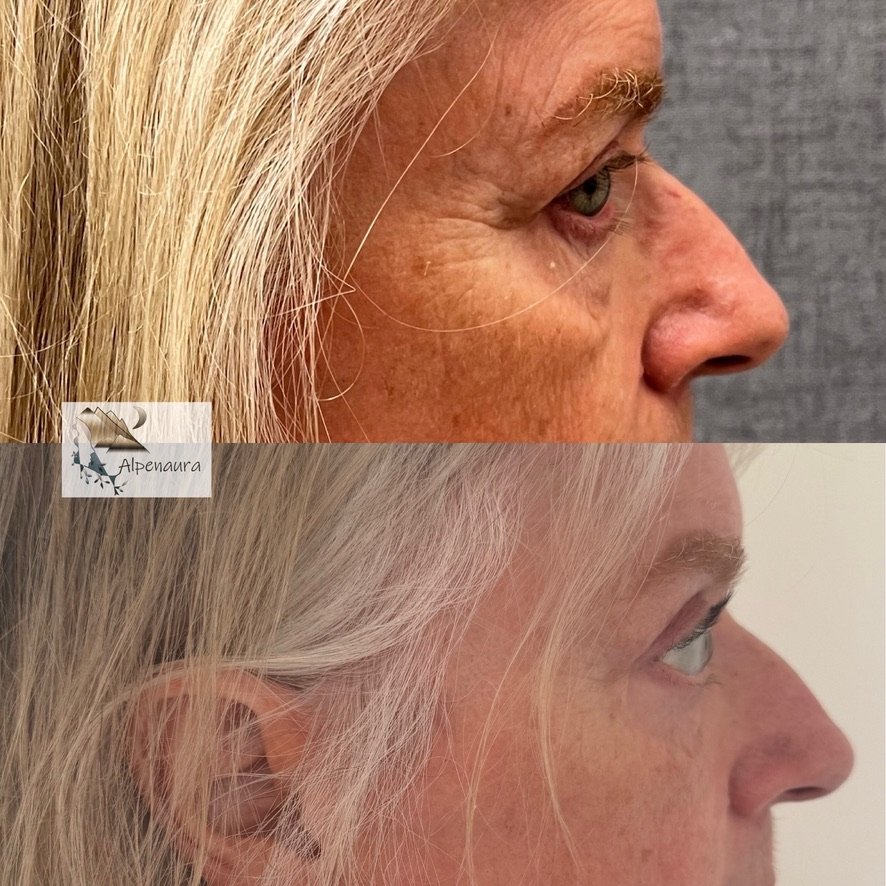

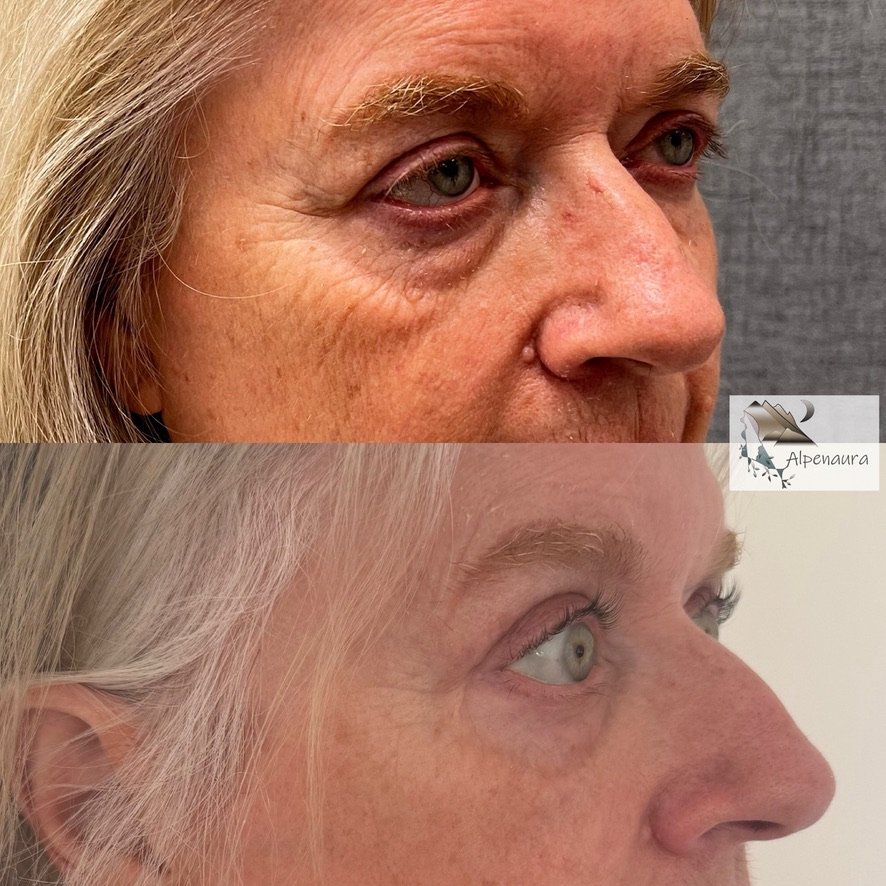
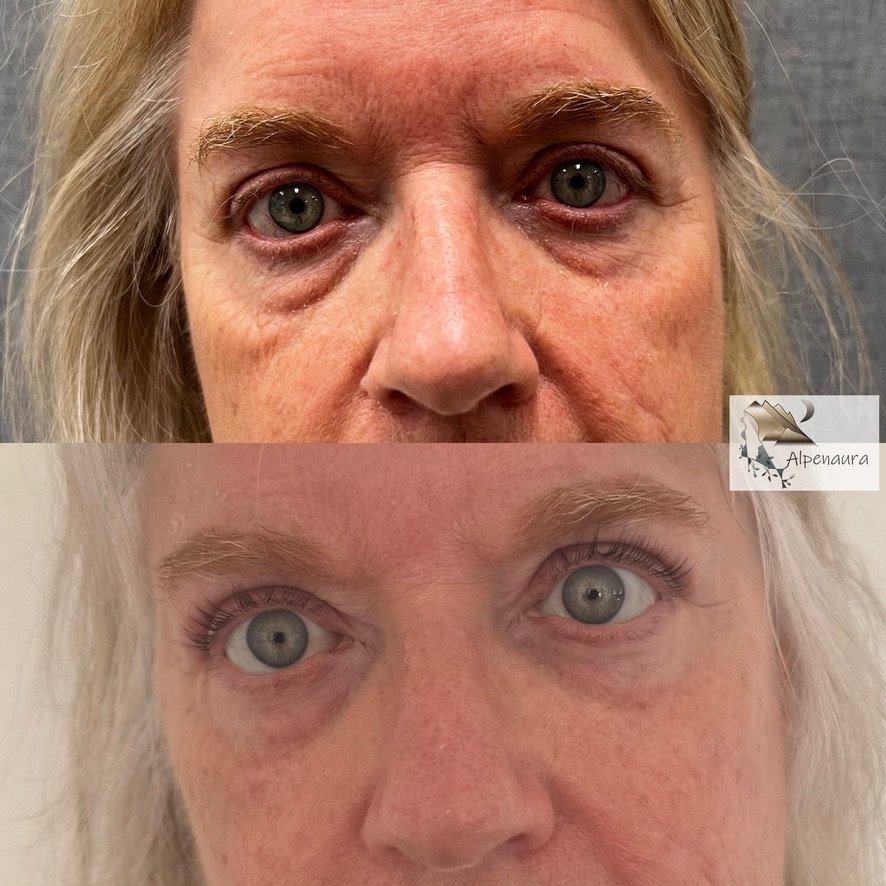
As the upper eyelids age, the skin loses elasticity and excess tissue begins to drape over the natural eyelid crease. Some patients also develop puffy fat pads that contribute to a heavy or tired look. Over time, this excess upper-lid tissue can crowd makeup, make the eyes look smaller, and even interfere with peripheral vision.

Upper blepharoplasty removes a precise amount of excess skin and, when needed, conservative fat, restoring a clean, defined upper eyelid. The result is brighter, more open eyes that make the entire face look more rested.

Good candidates are adults with excess upper eyelid skin, a heavy or hooded appearance, or a sense that their eyes look tired even when they are well rested. Patients should be in good general health, have realistic expectations, and have any underlying eye conditions managed before surgery. Some patients also have brow descent that contributes to upper-lid heaviness; in those cases, Dr. Carboy may recommend combining upper blepharoplasty with a brow lift for a more comprehensive result.

In Bend and across Central Oregon, the bright, high-altitude sun and outdoor lifestyle are wonderful in many ways but can accelerate visible aging around the delicate skin of the eyelids. Patients frequently tell Dr. Carboy that they are constantly being asked if they are tired, sad, or angry, when in reality they feel great. Upper blepharoplasty is a powerful way to bring outward appearance back into alignment with how patients actually feel. Many patients across the Pacific Northwest also pursue this procedure to look more refreshed in professional settings without making any obvious change to their face.

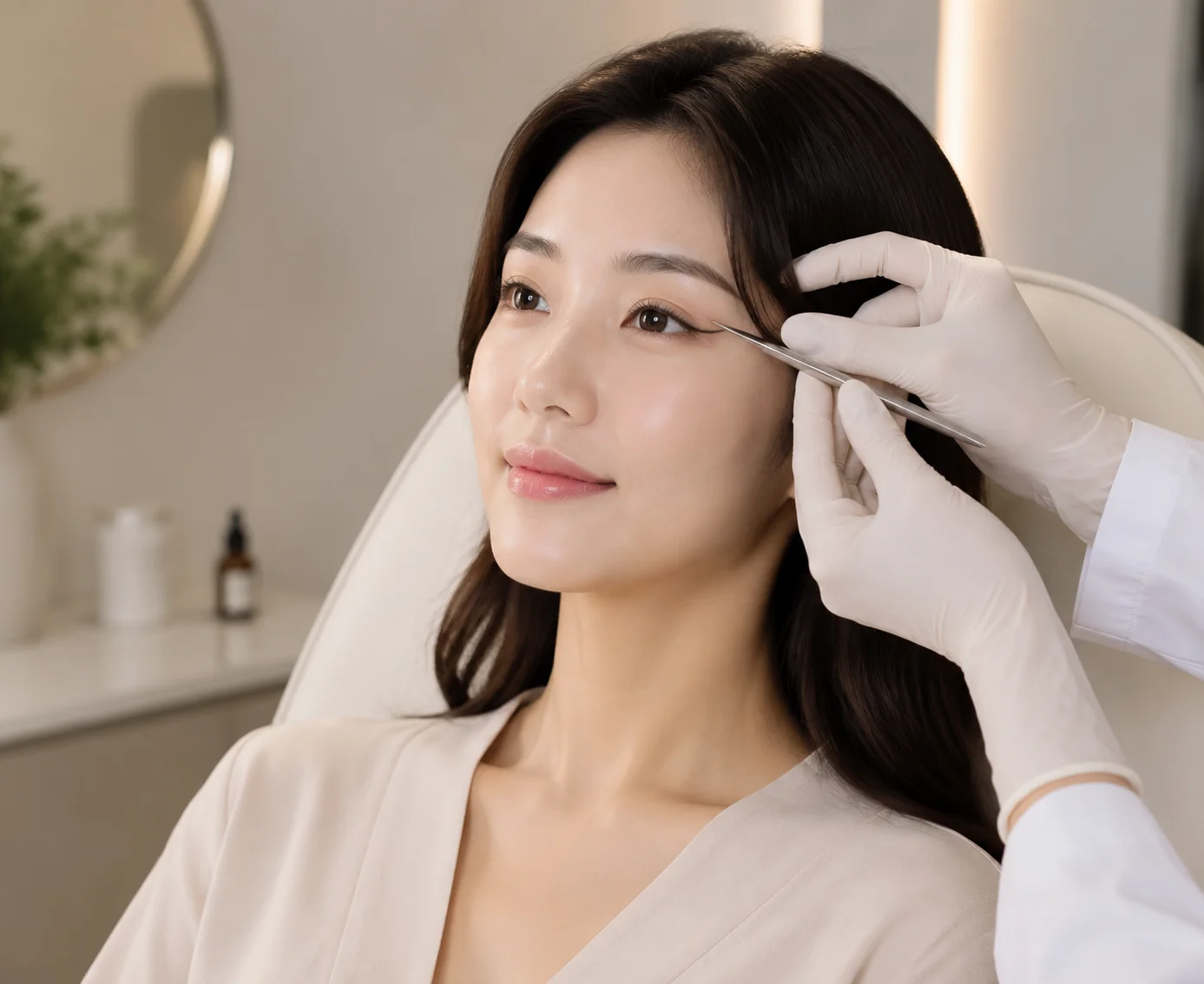
Upper blepharoplasty is typically performed in the office under local anesthesia with light oral sedation, or in the operating room with deeper sedation when combined with other procedures. The incisions are hidden within the natural upper eyelid crease, where they heal as virtually invisible lines. Most patients experience mild bruising and swelling for the first week, with sutures removed at about five to seven days. Most return to work within seven to ten days and to full activity by two to three weeks.

Dr. Carboy will discuss the safest and most effective combinations at your consultation.
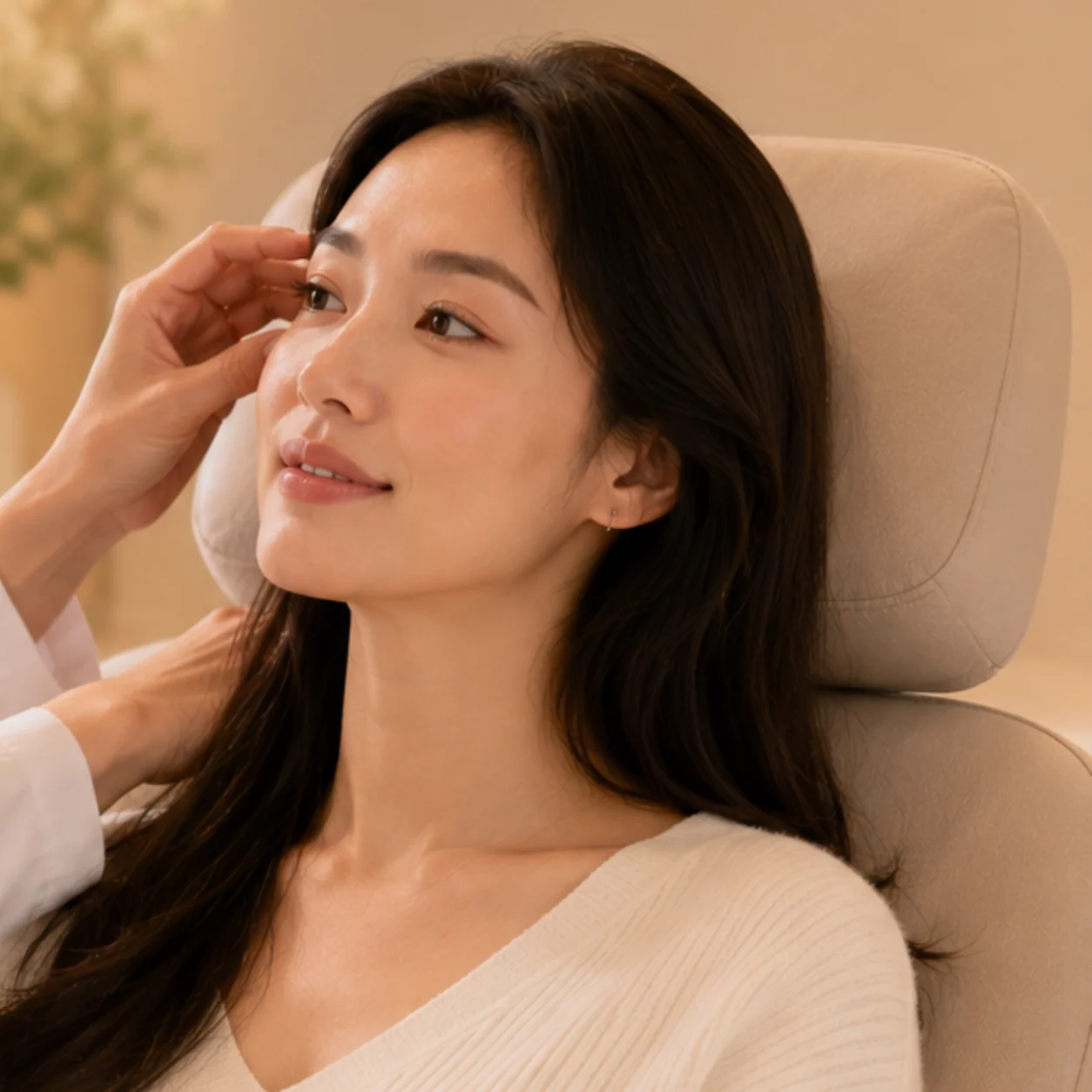
Upper blepharoplasty is typically performed in the office under local anesthesia with light oral sedation, or in the operating room with deeper sedation when combined with other procedures.

Most patients experience mild bruising and swelling for the first week, with sutures removed at about five to seven days.

The result is brighter, more open eyes that make the entire face look more rested.

The average procedure time varies based on your personalized treatment plan and the complexity of the procedure performed

Most patients are able to return to light daily activities within a short recovery period while healing continues gradually over time

Your follow-up appointments are designed to monitor healing, support, recovery, and ensure your results continue progressing naturally.

The location of your procedure is determined vary based on your personalized needs and the complexity of the procedure performed
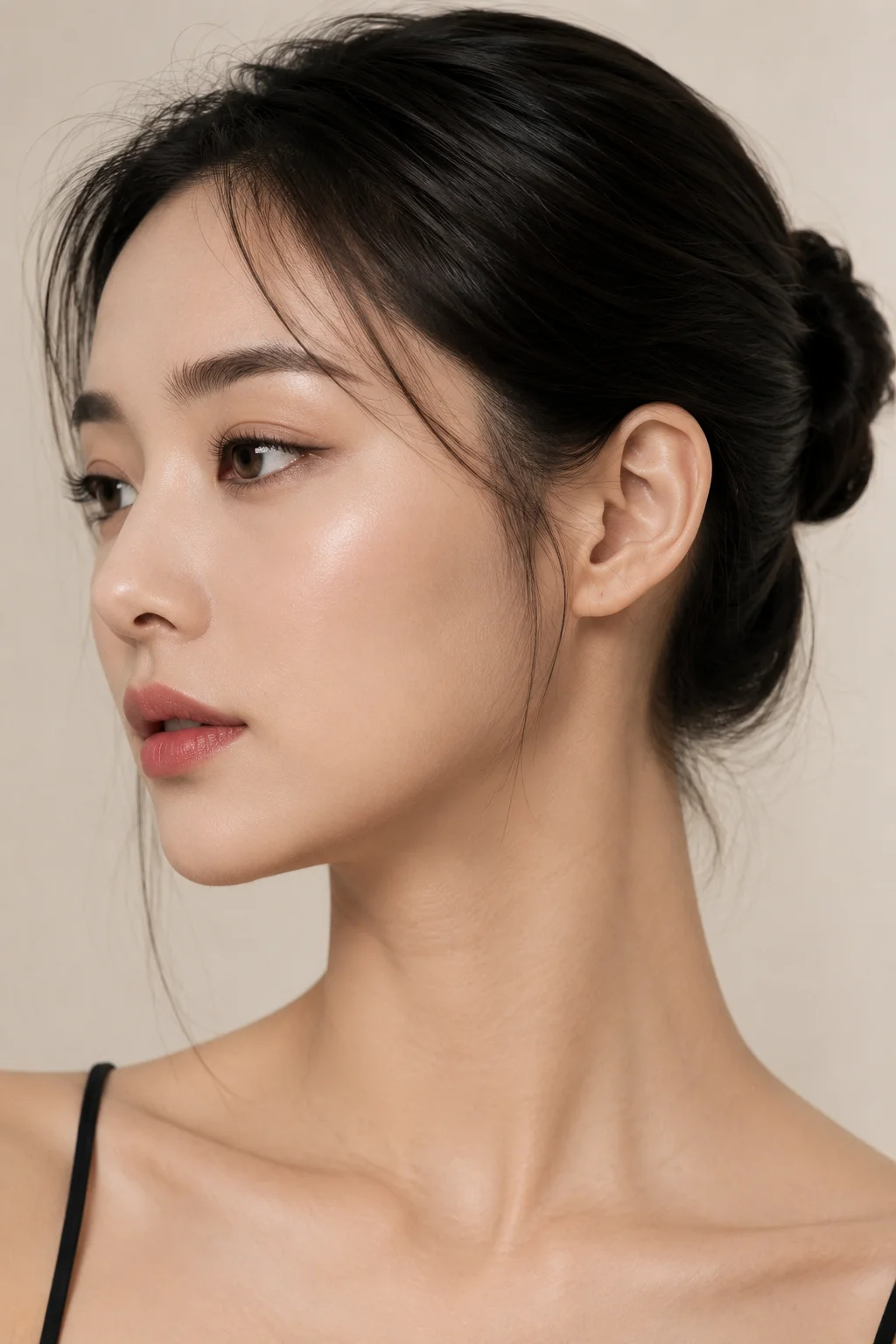
Otoplasty reshapes and repositions the ears for a more balanced and natural appearance.

Refined rhinoplasty designed to enhance facial harmony, improve balance, and support natural-looking results.

A subtle lip lift that enhances upper lip shape, definition, and natural smile balance.