
















HomePlastic SurgeryFaceLower Blepharoplasty

ADVANCED FACIAL AESTHETICS

Lower Blepharoplasty in Bend, Oregon

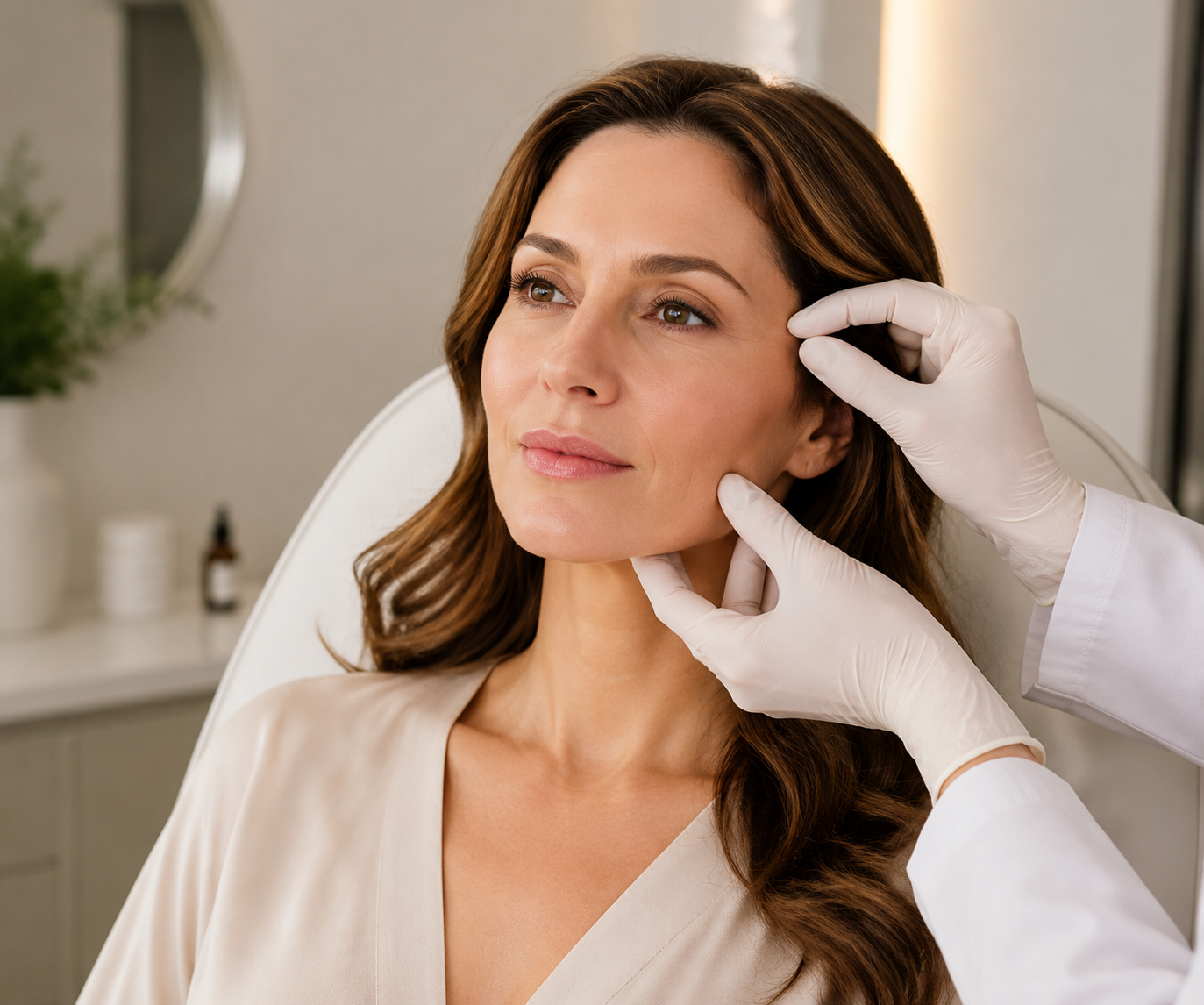
Lower eyelid surgery, or lower blepharoplasty, addresses one of the most common and most frustrating signs of facial aging: the appearance of bags, hollows, dark circles, or persistent puffiness under the eyes. At Alpenaura Plastic Surgery in Bend, Oregon, Dr. Jourdan Carboy, MD, performs modern lower blepharoplasty techniques designed to produce a smooth, rested lower lid without a hollow or operated-on appearance.

PERSONALIZED APPROACH

Lower Blepharoplasty (Lower Eyelid Surgery) in Bend, Oregon

Lower Blepharoplasty (Lower Eyelid Surgery) in Bend, Oregon

As we age, the fat pads beneath the eyes can shift forward and bulge, creating bags, while the underlying tear-trough hollow often deepens at the same time. The skin loses elasticity, and fine wrinkles develop. The combined effect is a tired, drawn appearance that makes patients look chronically exhausted, even when they are well rested.

Lower blepharoplasty addresses these issues

Lower blepharoplasty addresses these issues

Lower blepharoplasty addresses these issues by repositioning or conservatively removing excess fat, smoothing the lid-cheek transition, and tightening loose skin or muscle as needed. Modern techniques emphasize fat repositioning over removal, which preserves volume and helps avoid the hollow look that older procedures sometimes produced.

Who is a candidate for lower blepharoplasty?

Who is a candidate for lower blepharoplasty?

Good candidates are healthy adults with under-eye bags, hollows, dark circles caused by tissue contour rather than pigment, or loose lower-lid skin. Some younger patients are bothered primarily by inherited fat-pad bulging and benefit from a transconjunctival approach that leaves no external scar. Older patients with skin laxity may benefit from a more comprehensive approach. Patients with significant tear-trough hollows are often candidates for fat repositioning or fat grafting at the same time.

Why patients seek lower blepharoplasty in Central Oregon.

Why patients seek lower blepharoplasty in Central Oregon.

Patients in Bend, Redmond, Sisters, Sunriver, and across Central Oregon often tell Dr. Carboy that they look tired no matter how much they sleep. The active outdoor lifestyle of the Pacific Northwest can amplify the appearance of under-eye bags through sun exposure and skin thinning. Many patients also pursue lower blepharoplasty after years of trying concealers, eye creams, and filler treatments that did not produce the smooth, natural result they wanted.

What to expect.

What to expect.

Lower blepharoplasty is typically performed under local anesthesia with light sedation or under general anesthesia, depending on what other procedures are combined. Incisions are carefully placed either inside the lower eyelid (transconjunctival, with no external scar) or just below the lash line, where they heal as nearly invisible fine lines. Most patients experience bruising and swelling for one to two weeks. Most return to work in seven to fourteen days and to full activity by three to four weeks. Final results continue to refine over several months.

REAL RESULTS

Before & After

Lower Blepharoplasty

Before Lower Blepharoplasty Before
After Lower Blepharoplasty After
‹›

Lower Blepharoplasty

Before Lower Blepharoplasty Before
After Lower Blepharoplasty After
‹›

Lower Blepharoplasty

Before Lower Blepharoplasty Before
After Lower Blepharoplasty After
‹›

Lower Blepharoplasty

WHAT TO EXPECT

Your Journey,

Every Step Of The Way

From your personalized consultation to your final results, every step of the Lower Blepharoplasty process is thoughtfully designed to provide comfort, confidence, and natural-looking refinement.
Consultation
01

Consultation

Dr. Carboy can help guide you to the right choice during your consultation.

Procedure
02

Procedure

Lower blepharoplasty is typically performed under local anesthesia with light sedation or under general anesthesia, depending on what other procedures are combined.

Recovery
03

Recovery

Most patients experience bruising and swelling for one to two weeks.

Results
04

Results

Final results continue to refine over several months.

PLAN YOUR PROCEDURE

Your Procedure,

Thoughtfully Planned

Every detail of your Lower Blepharoplasty journey is carefully planned to provide a smooth experience, personalized care, and elegant natural-looking results tailored to your goals.
Procedure Time

Procedure Time

The average procedure time varies based on your personalized treatment plan and the complexity of the procedure performed

1-2 Hours
Recovery Timeline

Recovery Timeline

Most patients are able to return to light daily activities within a short recovery period while healing continues gradually over time

2 weeks early recovery 6 months for final results
Follow-Up Care

Follow-Up Care

Your follow-up appointments are designed to monitor healing, support, recovery, and ensure your results continue progressing naturally.

Next Day
Procedure Location

Procedure Location

The location of your procedure is determined vary based on your personalized needs and the complexity of the procedure performed

Out-Patient Surgery Center

PLAN YOUR PROCEDURE

Questions,
Answered With Care

We understand that choosing a procedure is a deeply personal decision. Here are answers to some of the most common questions about treatment, recovery, results, and the overall Alpenaura experience.

It depends on the cause. Dark circles caused by hollows and shadows typically improve significantly with surgery. Pigmented dark circles caused by skin coloration are better treated with skincare, lasers, or other modalities.

Most patients feel comfortable returning to work and social activities within ten to fourteen days, once the splint is removed and the bulk of bruising has resolved. Strenuous exercise is usually restricted for three to four weeks. Subtle swelling, particularly in the tip, can take up to a year or longer to fully resolve.

Most patients feel comfortable returning to work and social activities within ten to fourteen days, once the splint is removed and the bulk of bruising has resolved. Strenuous exercise is usually restricted for three to four weeks. Subtle swelling, particularly in the tip, can take up to a year or longer to fully resolve.

Most patients feel comfortable returning to work and social activities within ten to fourteen days, once the splint is removed and the bulk of bruising has resolved. Strenuous exercise is usually restricted for three to four weeks. Subtle swelling, particularly in the tip, can take up to a year or longer to fully resolve.

Most patients feel comfortable returning to work and social activities within ten to fourteen days, once the splint is removed and the bulk of bruising has resolved. Strenuous exercise is usually restricted for three to four weeks. Subtle swelling, particularly in the tip, can take up to a year or longer to fully resolve.

Most patients feel comfortable returning to work and social activities within ten to fourteen days, once the splint is removed and the bulk of bruising has resolved. Strenuous exercise is usually restricted for three to four weeks. Subtle swelling, particularly in the tip, can take up to a year or longer to fully resolve.

PLAN YOUR PROCEDURE

Enhance Your Results With,
Complementary Treatments

Many procedures are thoughtfully paired together to create balanced, harmonious, and natural-looking results. Explore treatments that complement your journey and support your aesthetic goals.

YOUR TRANSFORMATION STARTS HERE

Ready To Look
And Feel Your Best ?

Experience personalized plastic surgery and aesthetic care designed to enhance confidence with natural, refined results.