Hot flashes and night sweats — medically called vasomotor symptoms — affect up to 80% of women during perimenopause and menopause. For some women they are a minor inconvenience. For others, they are daily and disruptive, affecting sleep, work, relationships, and quality of life for years.
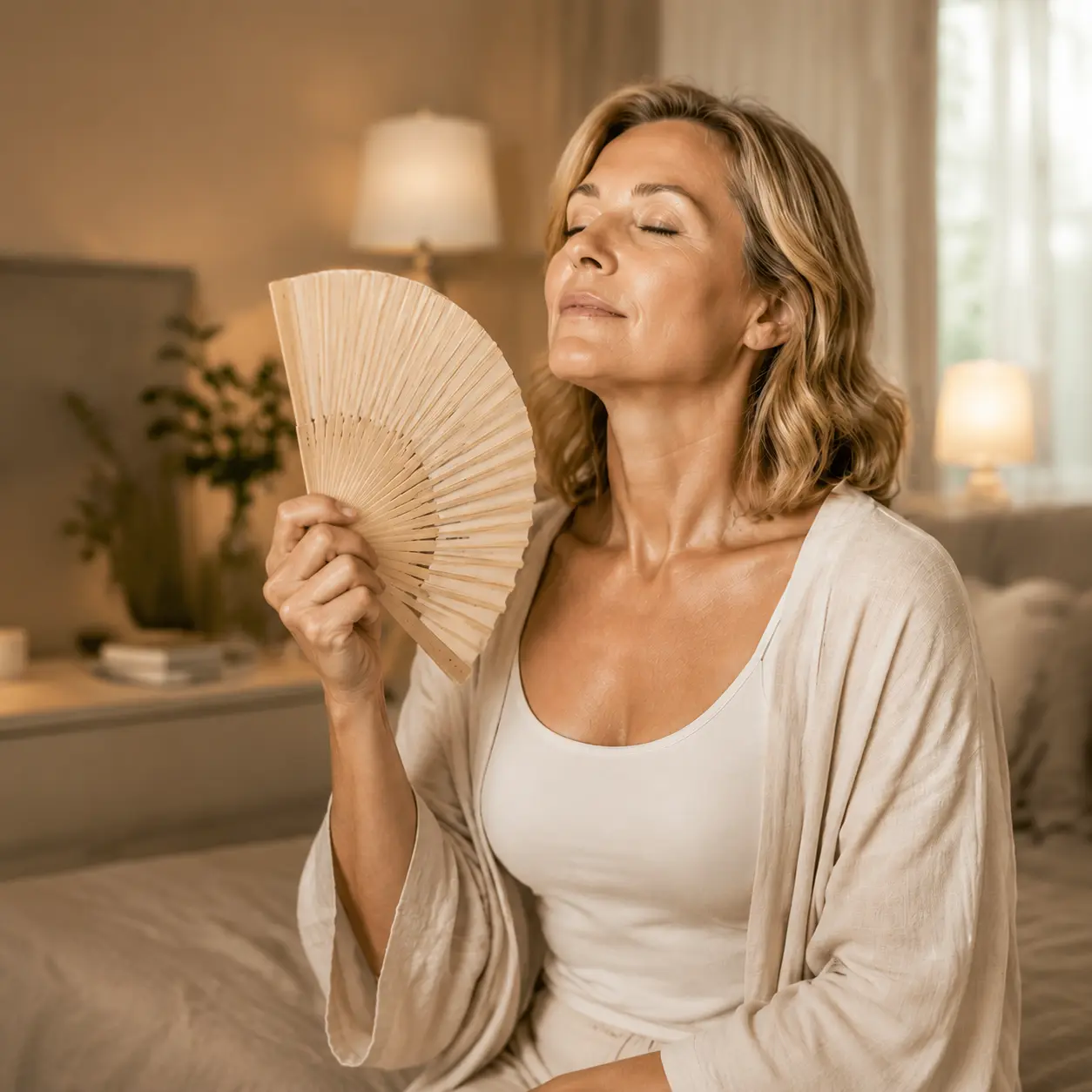
Hot flashes are caused by changes in the brain’s thermostat — the hypothalamus — which becomes more sensitive to small temperature changes as estrogen levels fluctuate and decline. This triggers a “cooling response” that causes sudden heat, flushing, sweating, and sometimes a rapid heartbeat. Night sweats are the same process occurring during sleep.They can begin during perimenopause — often years before periods stop — and may continue for 5–10 years or more after menopause in some women. Frequency and severity vary significantly from person to person.
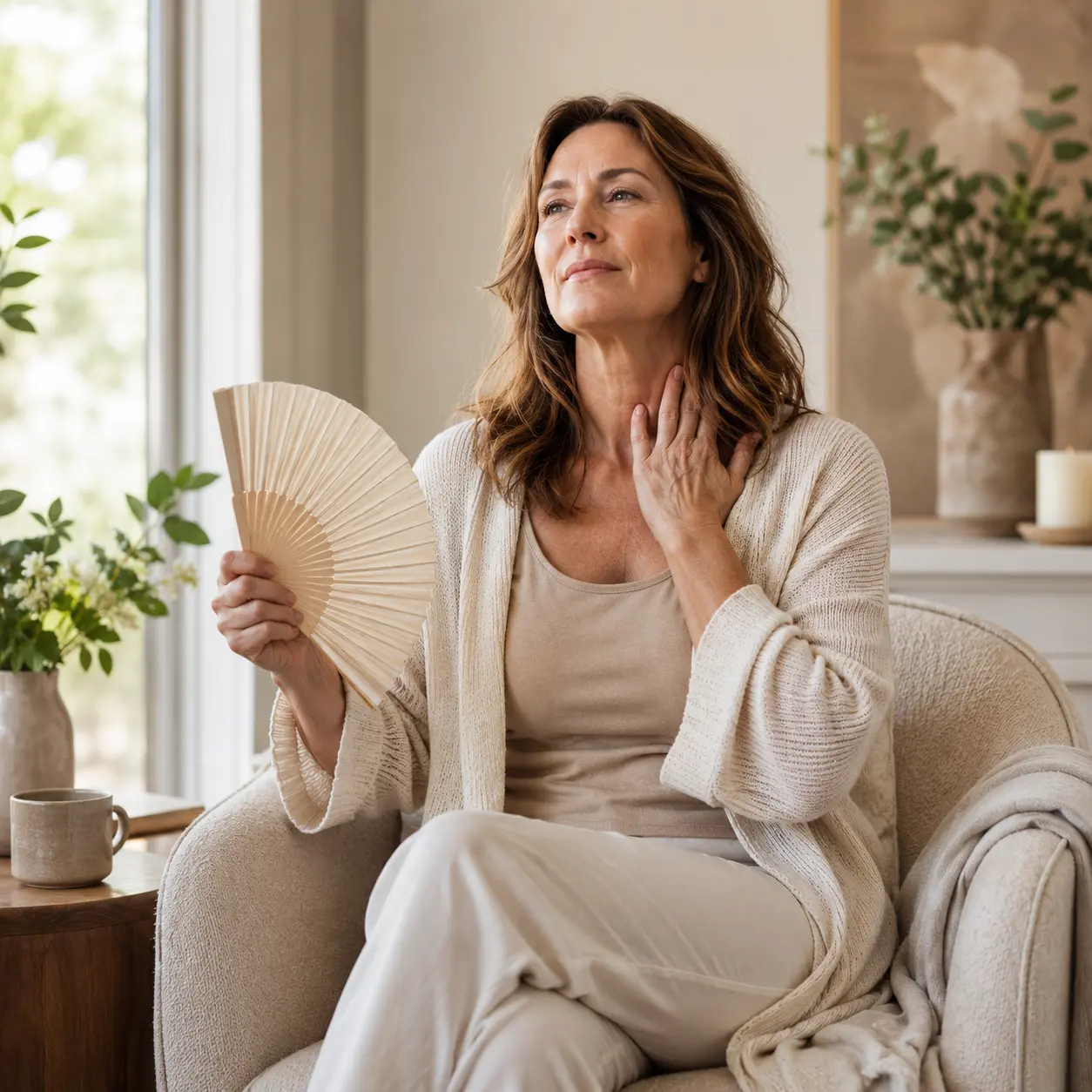
At Alpenaura Holistic Health, we discuss the full range of evidence-based options and help you choose what fits your health history, preferences, and goals.

Trigger awareness (alcohol, caffeine, spicy food, heat), layered clothing, cooling strategies, sleep environment optimization, and stress reduction practices can all reduce severity and frequency as part of a broader plan.

We understand that persistent fatigue can feel frustrating, confusing, and easy to dismiss. Here are answers to common questions about fatigue, hormones, thyroid health, and personalized care.
The average is 7–9 years, though this varies widely. Some women have them for only 1–2 years around menopause; others experience them well into their 60s. Effective treatment can significantly reduce duration and severity regardless of where you are in the timeline.
For most healthy women under 60 or within 10 years of menopause, the benefit-risk ratio of hormone therapy is favorable. The risk picture is highly individual and depends on age, time since menopause, formulation, route of delivery, dose, and personal health history. We review this carefully with every patient.
Breast cancer survivors deserve thoughtful, individualized care for vasomotor symptoms. Non-hormonal options are generally considered first-line. Depending on cancer type, receptor status, and treatment history, some patients may have additional options available. We work collaboratively with your oncology team when appropriate.
No. Effective, evidence-based treatments exist for hot flashes and night sweats — both hormonal and non-hormonal. Many women experience dramatic improvement within weeks of starting appropriate care.
Explore related holistic health services designed to support hormones, metabolism, women’s health, lifestyle balance, and long-term wellness.
Comprehensive care designed to support every stage of a woman's life, from hormonal balance to long-term wellness.
Restore balance, improve energy, and enhance overall vitality with personalized hormone optimization.
Comprehensive care designed to support every stage of a woman's life, from hormonal balance to long-term wellness.
Restore balance, improve energy, and enhance overall vitality with personalized hormone optimization.
Experience personalized plastic surgery and aesthetic care designed to enhance confidence with natural, refined results.